

Eating healthier doesn’t have to mean strict diets, complicated recipes, or giving up the foods you love.
At Fit kitchen, we believe smart choices start with better understanding — and this applies to food as much as it does to digital tools and everyday optimization.
Many popular dishes already contain ingredients that quietly improve nutrition, support balance, and enhance overall well-being. The secret isn’t changing everything you eat — it’s learning how common ingredients work and using them more intentionally.
In this guide, you’ll discover 10 surprising ingredients that transform everyday meals into smarter, healthier options — without sacrificing flavor or comfort.
Table of Contents
- 1. Olive Oil – A Smart Fat That Supports Everyday Meals
- 2. Garlic – A Simple Ingredient With Powerful Properties
- 3. Chili Peppers – Flavor That Encourages Balance
- 4. Turmeric – The Golden Spice With Modern Value
- 5. Fermented Foods – Supporting Gut Balance Naturally
- 6. Tomatoes – Cooked for Better Nutrient Availability
- 7. Nuts & Seeds – Small Additions, Big Impact
- 8. Dark Chocolate – A Smarter Sweet Choice
- 9. Leafy Greens – The Foundation of Smart Meals
- 10. Onions – Flavor That Does More
- FAQ – Frequently Asked Questions
1. Olive Oil – A Smart Fat That Supports Everyday Meals
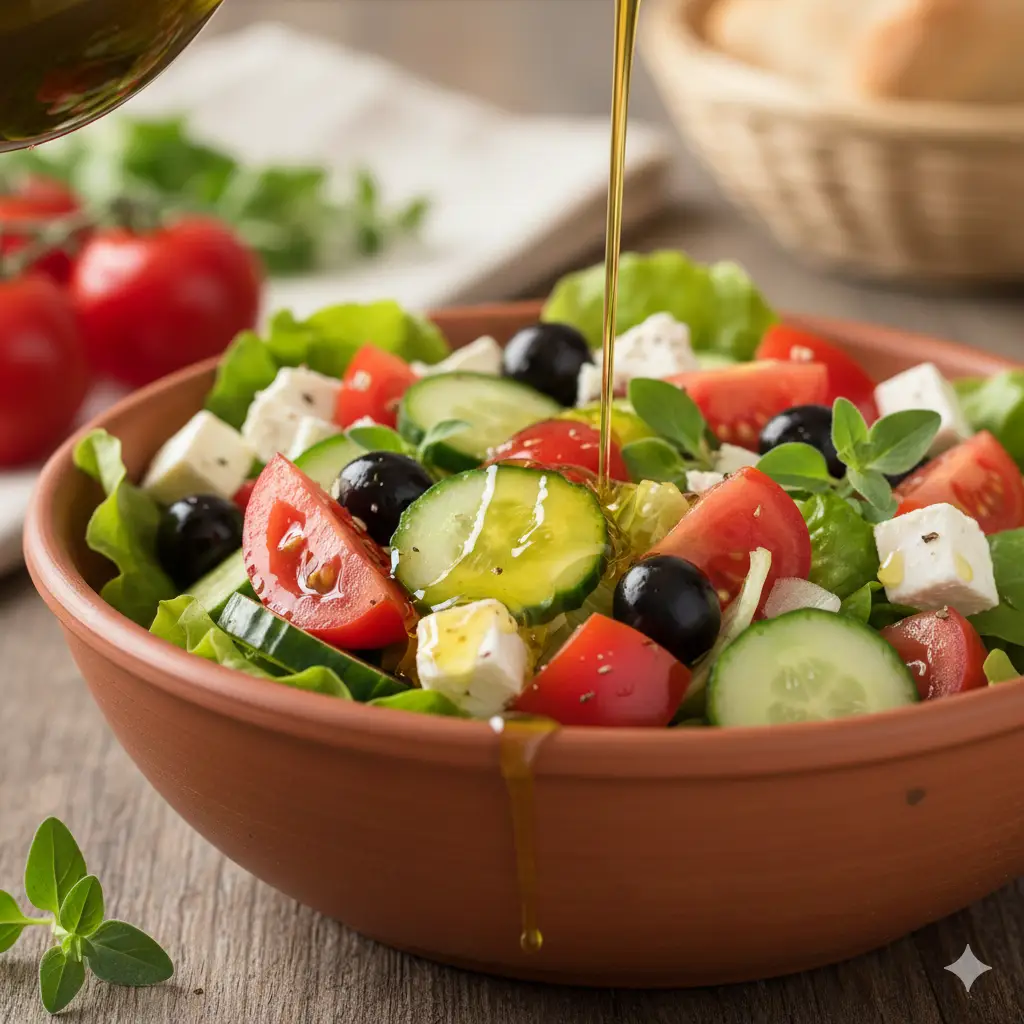
Olive oil is often misunderstood. While some still avoid fats altogether, research consistently shows that extra virgin olive oil is one of the most beneficial fats you can use in daily cooking.
Rich in monounsaturated fats and natural antioxidants, olive oil supports heart health and improves the absorption of essential nutrients.
- Key benefits: Supports cardiovascular health, helps maintain healthy cholesterol levels, enhances flavor without heavy processing.
- Best ways to use it: salad dressings, light sautéing, drizzling over vegetables or grains.
Harvard Health – Olive Oil Benefits
2. Garlic – A Simple Ingredient With Powerful Properties
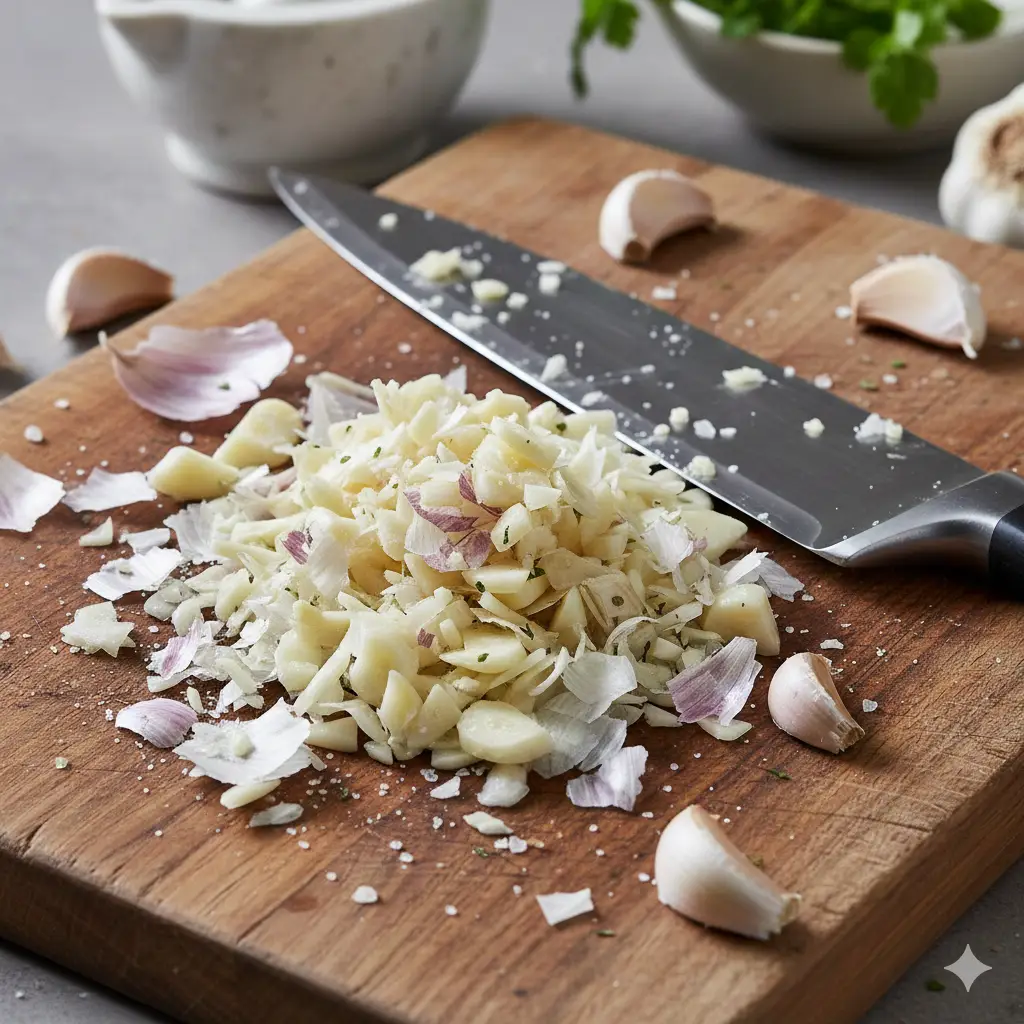
Garlic has been used for centuries in traditional cooking — and for good reason. When crushed or chopped, garlic releases allicin, a natural compound with antioxidant properties.
- Supports immune function
- Contributes to heart-friendly meals
- Adds strong flavor without extra salt
Optimization tip: Let garlic rest for a few minutes after crushing before cooking to activate its beneficial compounds.
3. Chili Peppers – Flavor That Encourages Balance
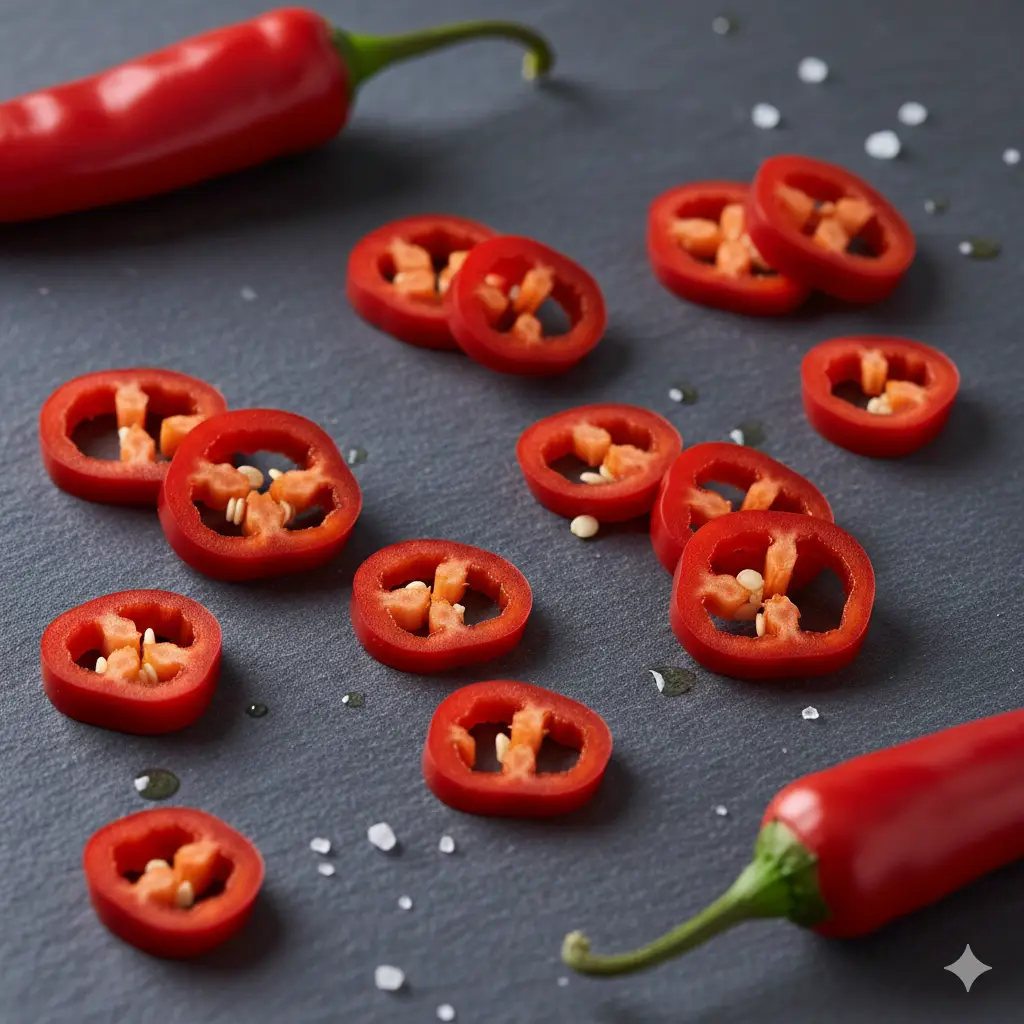
Spicy food isn’t just about heat. Chili peppers contain capsaicin, a compound linked to improved metabolism and appetite control.
- Encourages efficient digestion
- Adds depth of flavor without sugar or fat
- Helps reduce excessive salt use
Even a small amount can make meals more satisfying.
4. Turmeric – The Golden Spice With Modern Value
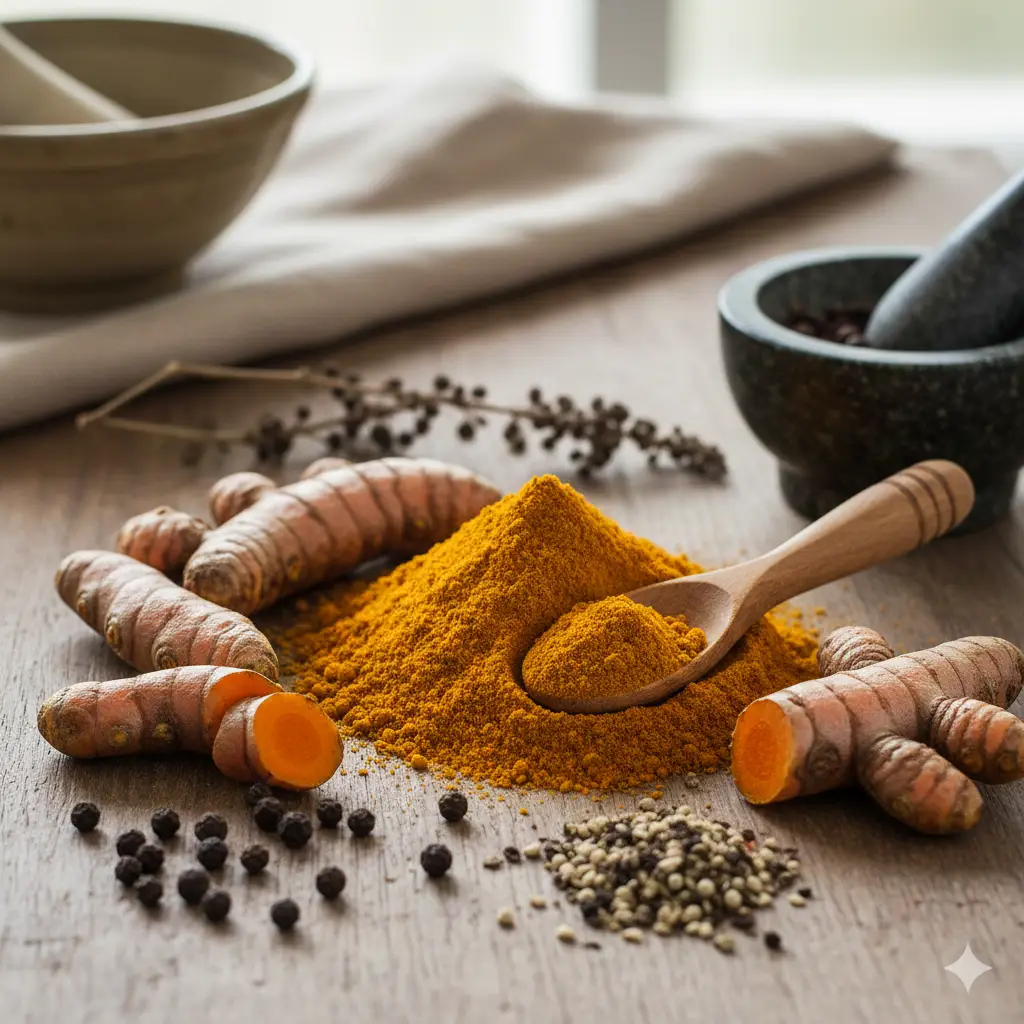
Turmeric is more than a colorful spice. Its active compound, curcumin, is known for antioxidant and anti-inflammatory properties.
- Supports joint comfort
- Aids digestion
- Fits easily into soups, rice, and sauces
Important tip: Always pair turmeric with black pepper to improve absorption.
5. Fermented Foods – Supporting Gut Balance Naturally
Fermented foods such as yogurt, kefir, kimchi, and sauerkraut contain probiotics, which support digestive balance.
- Better digestion
- Improved nutrient absorption
- Supports immune balance
Adding small portions regularly is often enough.

Cleveland Clinic – Probiotics & Gut Health
6. Tomatoes – Cooked for Better Nutrient Availability
Tomatoes become even more beneficial when cooked. Heat increases the availability of lycopene, a powerful antioxidant.
- Best sources: tomato sauce, soups, stews
- Many traditional comfort foods become healthier than expected

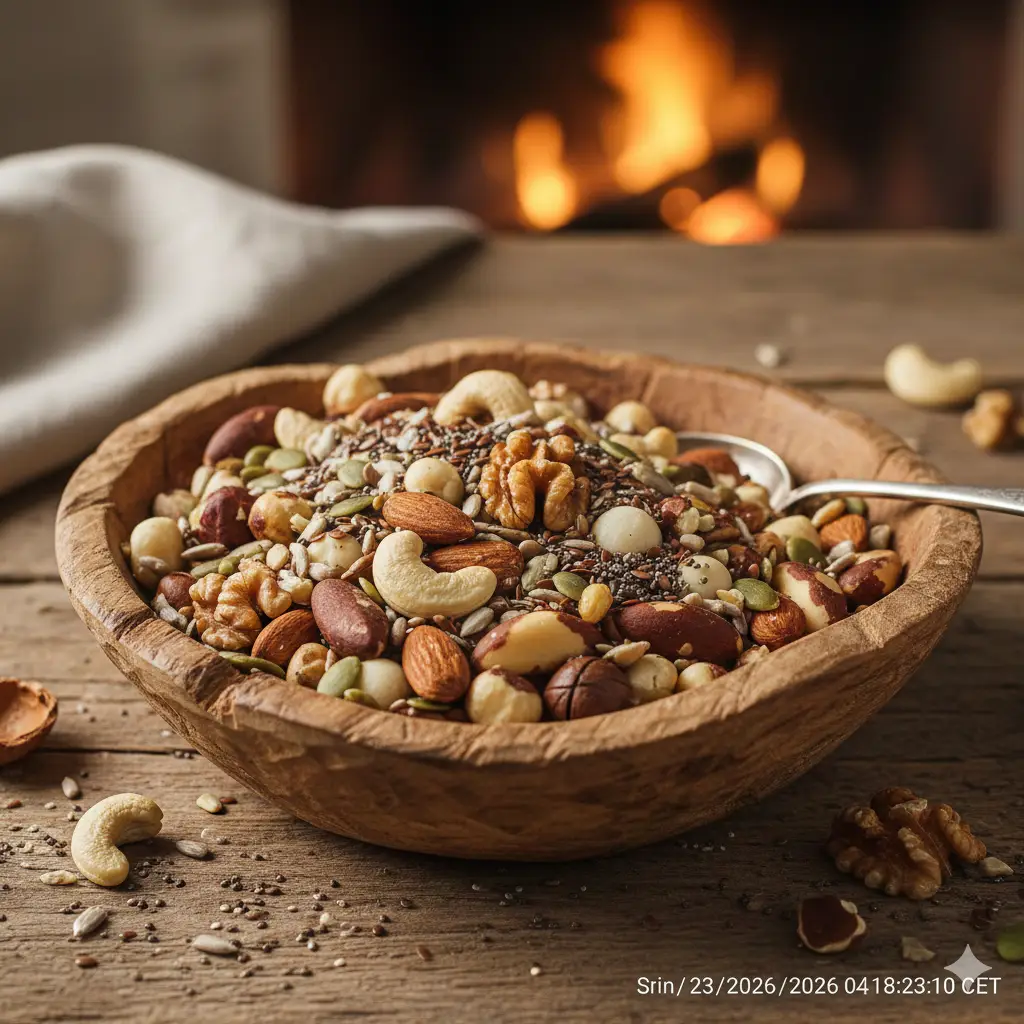
7. Nuts & Seeds – Small Additions, Big Impact
Nuts and seeds are compact sources of healthy fats, fiber, and minerals.
- Almonds
- Walnuts
- Chia seeds
- Flaxseeds
Benefits: Support heart health, promote satiety, improve meal texture and taste.
8. Dark Chocolate – A Smarter Sweet Choice
Dark chocolate with at least 70% cocoa contains flavonoids that support overall balance.
- Rich flavor reduces overconsumption
- Contains antioxidants
- Supports mood and satisfaction
Moderation remains key.

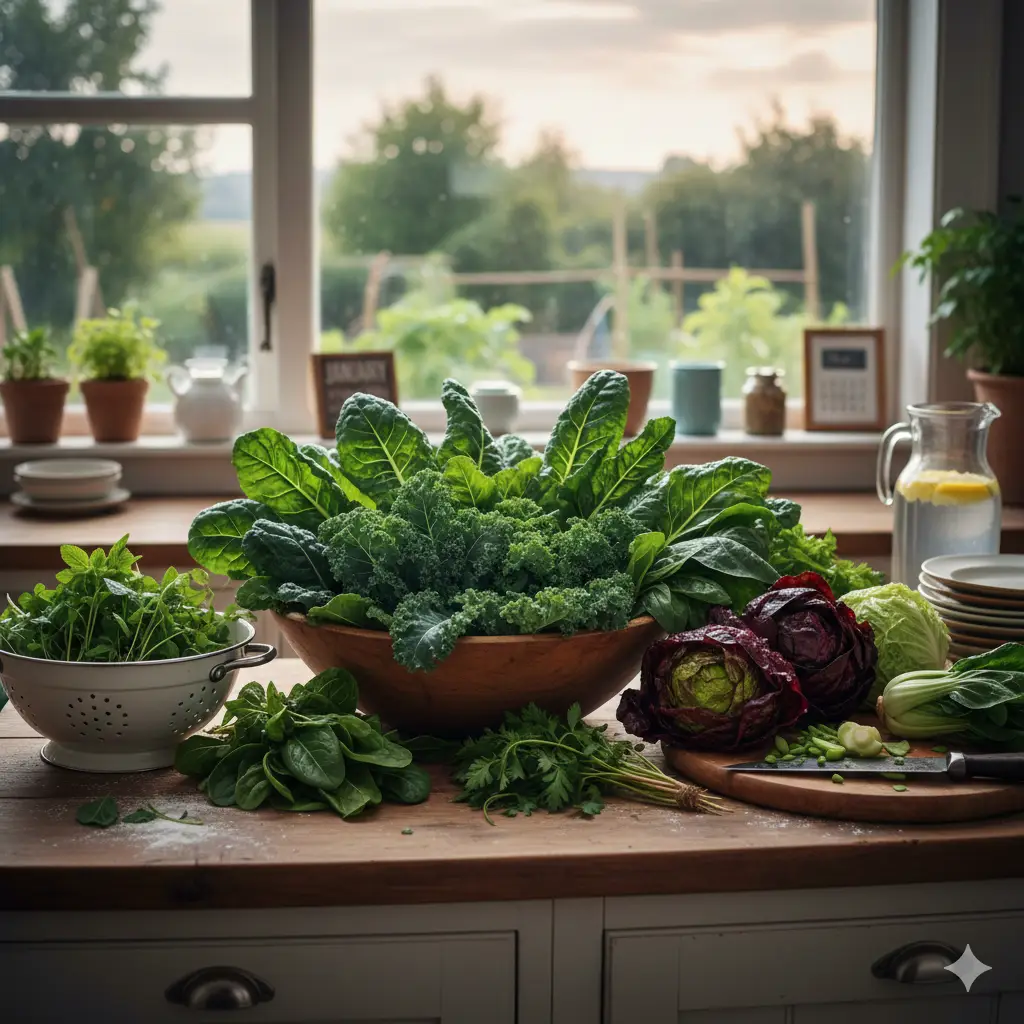
9. Leafy Greens – The Foundation of Smart Meals
Leafy greens like spinach, kale, and arugula are nutrient-dense and versatile.
- Rich in vitamins and minerals
- Low in calories
- Easy to integrate into meals
10. Onions – Flavor That Does More
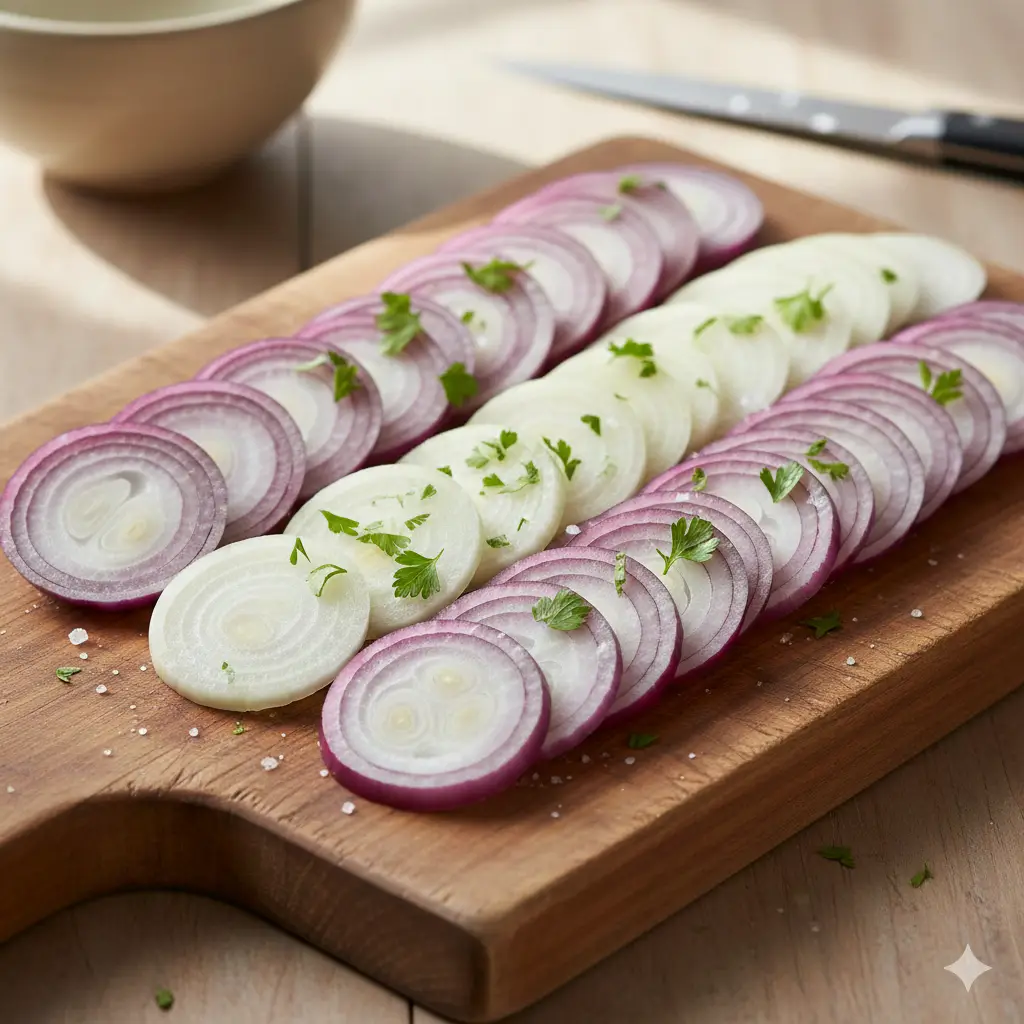
Onions are a staple in many cuisines and contain quercetin, an antioxidant compound.
- Supports heart-friendly meals
- Adds depth without excess fat
- Helps balance blood sugar response
How These Ingredients Improve Everyday Dishes
Healthy eating is rarely about elimination. It’s about optimization:
- Butter → Olive oil
- Creamy sauces → Yogurt-based alternatives
- Sugary snacks → Dark chocolate + nuts
- Plain meals → Herbs, spices, and vegetables
Small changes lead to sustainable habits.
Frequently Asked Questions (FAQ)
Are these ingredients safe for daily consumption?
Yes, when used in normal culinary amounts.
Can these ingredients help with weight management?
They can support balance and satiety as part of a healthy routine.
Are fermented foods suitable for beginners?
Yes, start with small portions.
Is olive oil better than butter?
For daily use, olive oil is generally a smarter option.
Can children eat these foods?
Yes, in age-appropriate amounts.
Are these ingredients budget-friendly?
Most are affordable and widely available.
Can I combine multiple ingredients in one meal?
Absolutely — many traditional recipes already do.
Do these foods replace medical treatment?
No. They support general wellness, not medical care.
How fast can benefits be noticed?
Some digestive benefits may appear quickly; others take time.
Do healthy ingredients reduce flavor?
No — they often enhance it naturally.
Final Thoughts
At Fil kitchen, optimization is about making better everyday decisions with the right information. Food is no exception.
By understanding how common ingredients work, you can improve your meals naturally — without restriction or complexity. Better choices don’t require perfection, just awareness.
Smart ingredients. Better meals. Practical living.