
Introduction
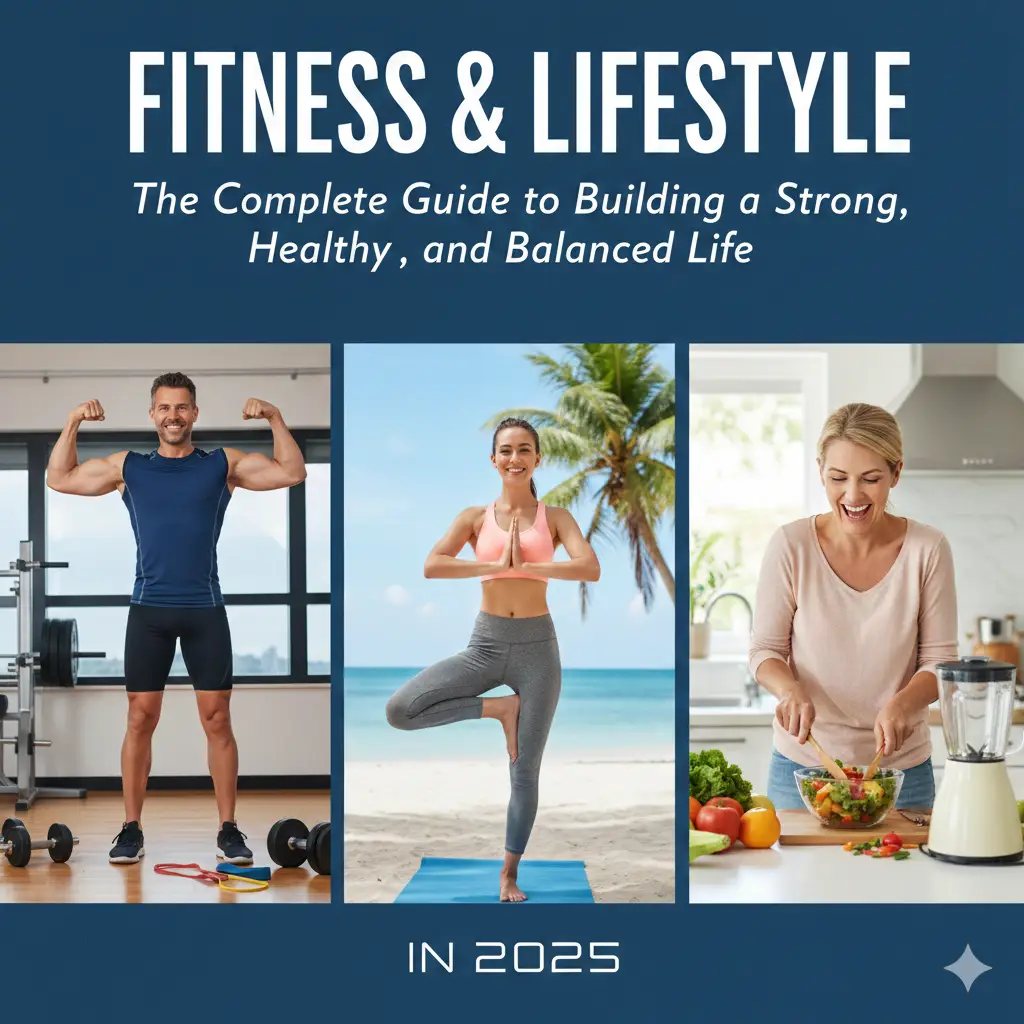
Fitness today goes far beyond regular gym workouts. It is closely linked to lifestyle choices and daily habits. What you eat, how well you sleep, how often you move, how you handle stress, and even your mindset all play an essential role in your physical condition and overall well-being.
In 2025, more people are shifting away from short-term solutions and focusing on lasting balance and healthier routines they can maintain over time. This complete guide is designed to help you build a solid fitness foundation while developing a lifestyle that supports both your body and your mind in a realistic and sustainable way.
Whether you are just starting your fitness journey or already living an active life, this guide is created for everyday people with busy schedules and real responsibilities.
1. What Does “Fitness & Lifestyle” Really Mean?
Fitness is your physical capacity: strength, endurance, flexibility, and mobility.
Lifestyle is how you live: your sleep, nutrition, stress levels, work schedule, habits, and mindset.
True health happens when both work together.
You cannot:
- Out-train poor nutrition
- Out-exercise bad sleep
- Out-run high stress
A successful fitness & lifestyle approach means creating harmony between:
- Movement
- Nutrition
- Recovery
- Mindset
- Daily habits
2. The Real Benefits of an Active Fitness Lifestyle
Adopting a healthy fitness lifestyle improves much more than your appearance:
✅ Physical Benefits
- Stronger muscles and bones
- Better heart health
- Improved digestion
- Balanced hormones
- Higher energy levels
- Better posture and mobility
✅ Mental & Emotional Benefits
- Reduced anxiety and depression
- Clearer thinking
- Better mood and confidence
- Improved sleep quality
- Lower stress levels
✅ Long-Term Health Benefits
- Reduced risk of diabetes
- Protection against heart disease
- Slower aging
- Strong immune system
- Better quality of life after 40, 50, and beyond
3. Daily Fitness Routine for Real Life
You don’t need a gym or expensive equipment to be fit. Consistency matters more than intensity.
✅ Simple Daily Movement Plan
- Morning: 5–10 minutes of stretching
- Midday: Light walk (10–20 minutes)
- Evening: Short workout (15–30 minutes)
✅ Best Beginner-Friendly Exercises
- Bodyweight squats
- Push-ups (on knees if necessary)
- Plank
- Jumping jacks
- Lunges
- Mountain climbers
Just 20 minutes per day can change your body in a few weeks if done consistently.
4. Fitness for Busy People
If you work long hours or study all day, you can still stay fit:
- Use stairs instead of elevators
- Walk while making phone calls
- Do 10 squats every hour
- Train at home with short sessions
- Stretch before bed
Fitness should fit your lifestyle, not control it.
5. Nutrition: The Foundation of Fitness & Lifestyle
Your body is built from what you eat. No diet needs to be extreme. What matters is balance and consistency.
✅ Healthy Lifestyle Nutrition Rules
- Eat real foods, not ultra-processed products
- Add vegetables to every meal
- Drink enough water
- Reduce sugar and fried foods
- Control portion sizes
- Eat enough protein daily
✅ Best Lifestyle Foods
- Eggs
- Oats
- Brown rice
- Chicken and fish
- Lentils and beans
- Nuts and seeds
- Fruits and vegetables
- Olive oil
You don’t need perfection — you need daily improvement.
6. Sleep & Recovery: The Missing Key
Many people train hard but ignore recovery. Sleep is when:
- Muscles repair
- Fat burns
- Hormones reset
- Brain refreshes
✅ Healthy Sleep Habits
- Sleep 7–9 hours per night
- Avoid screens 1 hour before bed
- Keep the bedroom dark and cool
- Sleep at the same time every day
- Avoid heavy meals late at night
Without proper sleep, fitness results slow down, no matter how hard you train.
7. Mental Health & Lifestyle Balance
Mental health is part of fitness. A stressed mind affects:
- Appetite
- Sleep
- Hormones
- Motivation
- Fat loss
✅ Daily Mental Fitness Tips
- Practice gratitude
- Take deep breathing breaks
- Avoid negative content before sleep
- Get sunlight daily
- Limit social media
- Spend time in nature
Your body follows your mental state.
8. Fitness & Lifestyle for Weight Loss
Many people start fitness for weight loss. The correct strategy is:
- Create a small calorie deficit
- Maintain daily movement
- Eat protein and fiber
- Ensure proper sleep
- Control emotional eating
- Avoid crash diets
Extreme dieting slows your metabolism and damages your hormones. Sustainable fat loss is always slow and steady.
9. Fitness & Lifestyle After 30, 40, and 50
As you age, your needs change:
After 30
- Focus on strength to preserve muscle
- Improve mobility
- Control stress
After 40
- Add resistance training
- Protect joints
- Watch sugar intake
- Prioritize sleep
After 50+
- Gentle strength training
- Daily walking
- Balance exercises
- Anti-inflammatory foods
Fitness at any age is possible with the right strategy.
10. Common Lifestyle Mistakes That Block Results
Avoid these common problems:
- Skipping meals then overeating
- Training without rest days
- Drinking too little water
- Sleeping less than 6 hours
- Depending on supplements instead of food
- Ignoring mental health
Fixing just one of these can dramatically improve your results.
11. How to Build a Sustainable Fitness Lifestyle
Success doesn’t come from motivation — it comes from habits.
✅ Build Small Habits
- Walk daily
- Prepare simple meals
- Train 3–4 times per week
- Stretch before sleep
- Drink water regularly
✅ Track Progress
- Take weekly photos
- Measure waist and weight monthly
- Track workouts
- Monitor energy and mood
Progress is not only physical — it’s mental and emotional too.
12. Technology & Fitness Lifestyle in 2025
Modern tools help improve consistency:
- Smartwatches track steps and heart rate
- Fitness apps plan workouts
- Hydration apps remind water intake
- Sleep trackers analyze rest quality
Technology should support your lifestyle, not control it.
13. Fitness & Lifestyle for the Whole Family
Healthy living works best when everyone participates:
- Family walks
- Home workouts
- Healthy meals together
- Outdoor activities
- Limited screen time
Children copy habits from adults. Your lifestyle becomes their future.
14. Long-Term Lifestyle Success Mindset
True fitness success is not about:
- 30-day challenges
- Extreme diets
- Social media trends
It is about:
- Discipline
- Patience
- Balance
- Self-respect
- Daily consistency
When fitness becomes part of your identity, not your goal, everything changes.
Final Thoughts
Fitness & lifestyle are not destinations — they are daily practices. You don’t need perfection. You need:
- Consistent movement
- Balanced nutrition
- Quality sleep
- Mental stability
- Sustainable habits
When these pillars work together, your body becomes stronger, your mind becomes calmer, and your life becomes healthier.
This is the true meaning of Fitness & Lifestyle in 2025.