
✅ Introduction
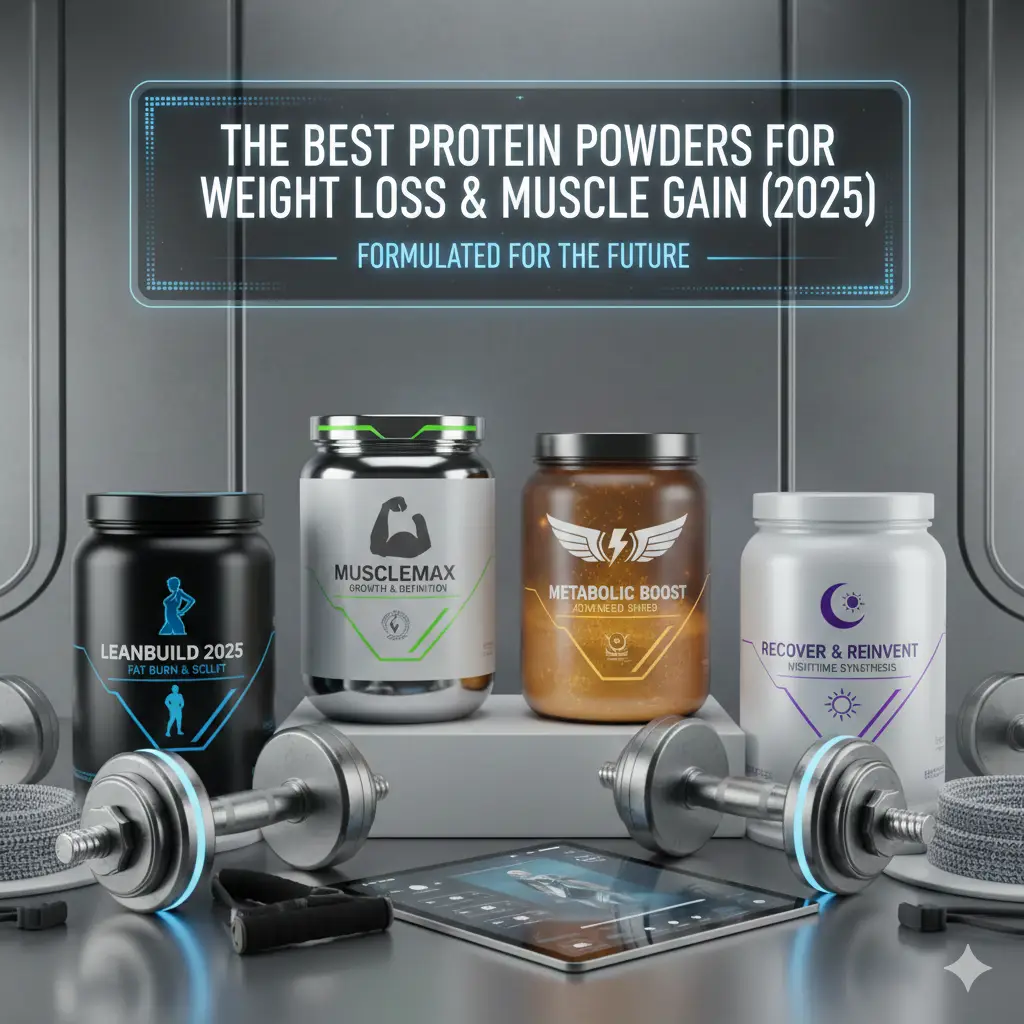
Protein powders are widely used as a convenient way to support daily protein intake. In 2025, many people include protein supplements in their routine to complement a balanced diet and active lifestyle. Whether the goal is general fitness, muscle maintenance, or supporting recovery after exercise, protein powders are often considered for their practicality.
However, it is important to understand that protein powders are not miracle solutions. Their role depends on overall nutrition, physical activity, and individual health factors. This article provides neutral, educational information to help you better understand protein powders and how they are commonly used.
✅ What Are Protein Powders?
Protein powders are dietary supplements made by extracting protein from food sources such as milk, plants, or a combination of both. The extracted protein is dried into powder form and typically mixed with water, milk, or added to foods like smoothies and oatmeal.
Their main purpose is to help individuals increase their daily protein intake when it is difficult to meet requirements through food alone.
✅ Why Protein Is Important in a Balanced Diet
Protein plays a key role in the body. It contributes to:
- Maintaining muscle tissue
- Supporting tissue repair
- Producing enzymes and hormones
- Supporting overall body structure
Regular protein intake is part of a balanced diet that also includes carbohydrates, healthy fats, vitamins, minerals, and fiber from whole foods.
✅ Common Types of Protein Powders
1. Whey Protein
Whey protein is derived from milk and is one of the most widely used protein supplements. It contains all essential amino acids and is generally fast-digesting. It may not be suitable for people with lactose intolerance or dairy allergies.
2. Casein Protein
Also derived from milk, casein is digested more slowly than whey and is sometimes consumed before long fasting periods, such as overnight.
3. Plant-Based Proteins
These include pea, soy, rice, and hemp protein. They are suitable for vegetarians and vegans and for individuals who avoid dairy. Some plant proteins are combined to provide a complete amino acid profile.
4. Protein Blends
Protein blends combine multiple protein sources to offer a balanced amino acid profile and varied digestion rates.
✅ Protein Powders and Weight Management
Protein is known to promote satiety, which means it can help people feel full for longer periods. This may assist individuals who are following structured meal plans or trying to manage portion sizes.
However, weight management depends on total calorie intake, food quality, physical activity, sleep, and lifestyle habits. Protein powders alone do not cause weight loss and should only be used as part of a balanced nutrition plan.
✅ Protein Powders and Muscle Maintenance
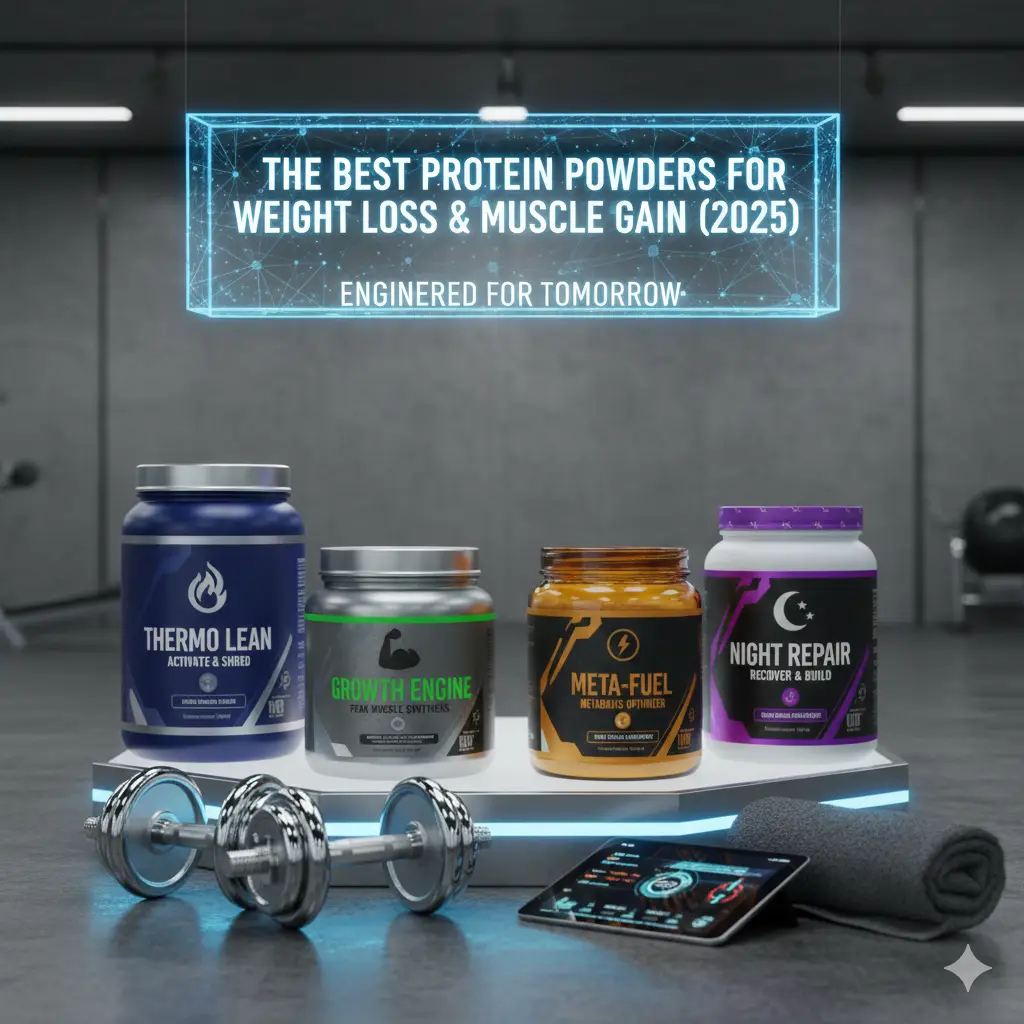
Muscle maintenance and development rely on multiple factors including training stimulus, total calorie intake, and adequate protein consumption throughout the day. Protein powders are sometimes used after exercise as a convenient protein source.
They do not replace resistance training or proper nutrition from whole foods. Their potential benefits depend on consistent physical activity and sufficient overall nutrient intake.
✅ How to Choose a Protein Powder
When selecting a protein powder, consider the following factors:
- Ingredient transparency
- Protein content per serving
- Added sugars or artificial sweeteners
- Presence of allergens (dairy, soy, gluten)
- Third-party testing or quality certifications
- Personal dietary preferences and tolerances
Reading ingredient labels carefully is essential to avoid unnecessary additives.
✅ Whole Foods vs Protein Supplements
Whole foods such as lean meats, fish, eggs, beans, lentils, dairy products, nuts, seeds, vegetables, and whole grains provide not only protein but also fiber, vitamins, minerals, and important micronutrients.
Protein powders may be practical, but they should not replace the nutritional diversity of whole foods. A healthy diet is built primarily on natural food sources.
✅ Safety and Responsible Use
Protein powders are generally considered safe for healthy adults when consumed in moderation and as part of a balanced diet. Excessive protein intake may cause digestive discomfort in some individuals.
People with kidney conditions, digestive disorders, food allergies, or other medical conditions should always seek professional advice before using protein supplements.
✅ Conclusion
Protein powders can be a convenient way to support daily protein intake for some individuals, especially when food-based protein is difficult to obtain in sufficient amounts. However, they are not a substitute for a balanced diet or regular physical activity.
Long-term health depends on consistent healthy eating habits, physical movement, quality sleep, and personalized nutritional care. For individual guidance, consulting a qualified healthcare or nutrition professional is always recommended.